
Research Fields


Biomedical Engineering
Biomedical engineering research is expected to create health technologies that will drastically improve the prevention, diagnosis and treatment of disease, as well as patient rehabilitation. The World Health Organisation has pledged to make a billion lives healthier by 2023, a goal that will require widespread commitment by governments, funding agencies, researchers and clinicians. Biomedical engineers will be at the heart of this movement and face a responsibility for continuous innovation. The foundation will create a portfolio of journals serving communities across all sciences and the Journal will act as a resource for a wide range of disciplines. It aims to support scientists, engineers and clinicians by making their research openly and permanently available, irrespective of their location or affiliation. The foundation is open for research areas such as Biomechanics, Biomaterials and Regenerative Engineering, Cell and Molecular Engineering, Imaging and Biophotonics, Medical Devices and Instrumentation, Neural Engineering etc.

Avtor
Dhananjay Singh

January 25, 2024
34 Comments
Internet of Things (IoT)
Internet of Things (IoT) is a new paradigm that has changed the traditional way of living into a high tech life style. Smart city, smart homes, pollution control, energy saving, smart transportation, smart industries are such transformations due to IoT. IoT is an innovation that puts together extensive variety of smart systems, frameworks and intelligent devices and sensor. A lot of crucial research studies and investigations have been done in order to enhance the technology through IoT. However, there are still a lot of challenges and issues that need to be addressed to achieve the full potential of IoT. These challenges and issues must be considered from various aspects of IoT such as applications, challenges, enabling technologies, social and environmental impacts etc. A detailed discussion from both technological and social perspective is very necessary to fulfil the common goals. There is scope for lot of research areas such as IoT Network Design and Architecture, IoT enabled Software Architectures and Middleware, Mobile Cloud Services, Data and Knowledge Management, Context-awareness and Location-awareness, Security, Privacy and Trust, Software-defined Networking, SMART Environment, Intelligent Systems for Cloud and Services Computing, Energy Efficiency and many more
Avtor
Dhananjay Singh
January 25, 2024
34 Comments
Bioinformatics
Bioinformatics is a field of study that uses computation to extract knowledge from biological data. It includes the collection, storage, retrieval, manipulation and modelling of data for analysis, visualization or prediction through the development of algorithms and software. An unprecedented wealth of biological data has been generated by the human genome project and sequencing projects in other organisms. The huge demand for analysis and interpretation of these data is being managed by the evolving science of bioinformatics. Bioinformatics is essential for management of data in modern biology and medicine. The research fields in Bioinformatics is especially important in genomics, such as in Bioinformatics and computational biology, Genetics and genomics, Systems biology, genome analysis, gene identification, genome-wide association studies and evolutionary studies
Avtor
Dhananjay Singh
January 25, 2024
34 Comments
Data & Informatics
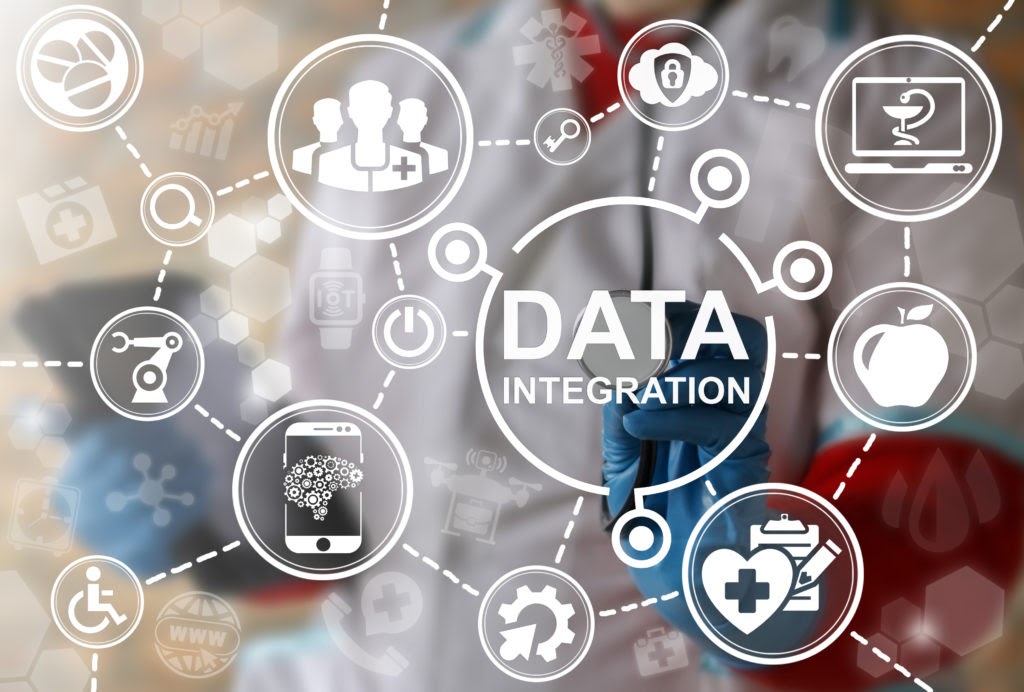
Research informatics systems are used for storing, managing, or reporting on data used for research purposes. These systems can be used for clinical research and basic science research. The data may come from multiple hospitals and from different countries to support collaborative translational research to speed the translation of basic science into clinical practice. The emerging research fields in Data & Informatics are: Biomedical & Health Informatics, Human Language Technology, Information Retrieval, Natural Language Processing virtual computing, parallel analysis, interoperability, semantic web, etc.
Avtor
Dhananjay Singh
January 25, 2024
34 Comments
Health IT
The term "health research," sometimes also called "medical research" or "clinical research," refers to research that is done to learn more about human health. Health research also aims to find better ways to prevent and treat disease. Health research is an important way to help improve the care and treatment of people worldwide. Currently, information technology is considered an important tool to improve healthcare services. To adopt the right technologies, policy makers should have adequate information about present and future advances. Information and communication technology (ICT) is a broad term that covers any product that stores, retrieves, manipulates, transmits, or receives information electronically and in a digital form. The application of ICT in healthcare, which is known as health information technology (HIT), includes a variety of technologies that are used to collect, transmit, display, or store patients’ data electronically. HIT is also a concept that describes the application of computerized systems to access healthcare information by patients, healthcare providers, insurance companies, and other government agencies. The use of HIT helps to reduce medical errors, costs, and paperwork; increases the efficiency and quality of healthcare; and empowers patients and clinicians. Some of the demanding research topics in Health IT are: Artificial Intelligence in Medicine, Forecast, Digital Health Research, E-Patients, Health Sensors and Trackers, Healthcare Design & Policy, Portable Medical Diagonistics, Telemedicines and Smartphones
Avtor
Dhananjay Singh

January 25, 2024
34 Comments
Cloud Computing & Virtualization
Virtualization and cloud computing have been two popular avenues of research over the past few years. Today, virtualization is being used by more and more organizations to diminish power consumptive, consolidating servers, testing and development, dynamic load balancing and recovery from catastrophic events, Virtual workstations and enhanced system reliability and safety. The virtualization process provides high uptime for mission-critical applications as well, and streamlines application deployment and migrations. A key issue when it comes to virtualization and cloud management is to build cloud architectures, a virtualisation-based computer platform and to provide server impact assessment virtualisation of cloudbased network performance. Virtualization is the key component of cloud computing. With the use of virtualization, cloud computing brings about not only convenience and efficiency benefits, but also great challenges in the field of data security and privacy protection.
Avtor
Dhananjay Singh

January 25, 2024
34 Comments
Blockchain
Blockchain is a technology that is developed using a combination of various techniques such as mathematics, algorithms, cryptography, economic models, and so on. Blockchain is a public ledger of all cryptocurrency transactions that are digitized and decentralized. Blockchain is considered by many to be a disruptive core technology. Although many researchers have realized the importance of blockchain, the research of blockchain is still in its infancy. The challenging research topics in Blockchain Technology are: Blockchain Economics, Blockchain Technologies, Blockchain for Good, Blockchain for Science, Blockchain in Industry, Financial Blockchain, Smart Contracts, Blockchain for Trusted Information Systems, Blockchain for Governments, Blockchain for Data Exchange, Blockchain in Health Care, Blockchain in Distributed Research, Blockchain for Social Innovations in Agriculture, Fisheries and Livelihood Development etc.
Avtor
Dhananjay Singh
January 25, 2024
34 Comments
Agriculture 4.0
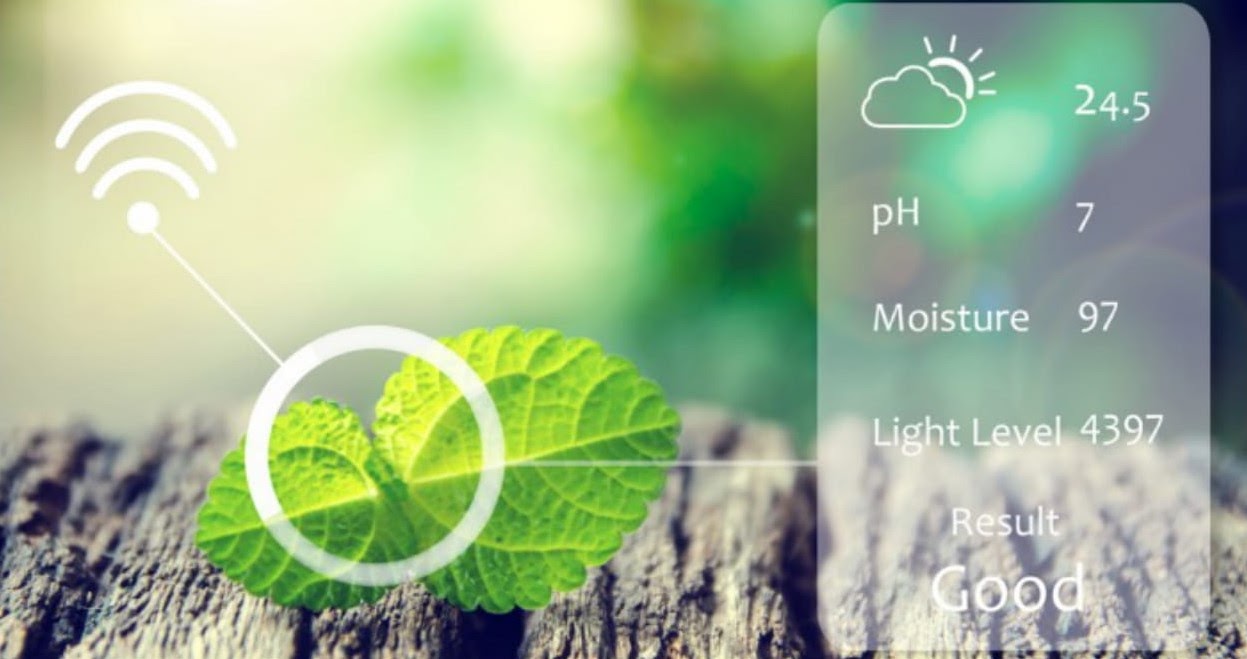
The advancement of Agriculture 4.0 is projected to meet the demands of the future like Demographics, Scarcity of natural resources, Climate change, and Food waste. Agriculture 4.0 will no longer depend on applying water, fertilizers, and pesticides uniformly across entire fields. Instead, farmers will use the minimum quantities required and target very specific areas. Future agriculture will use sophisticated technologies such as robots, temperature and moisture sensors, aerial images, and GPS technology. These advanced devices and precision agriculture and robotic systems will allow farms to be more profitable, efficient, safe, and environmentally friendly. Agriculture 4.0 is believe to increase crop productivity, improves crop management decision-making, reduces the environmental impact of agricultural practices by reducing chemicals, and reduces costs such as electricity, water, and fuel. As such there is a broader research prospect in this particular domain to meet the future demands in a sustainable way.
Avtor
Dhananjay Singh

Search
Category
Recent Post


January 25, 2024
34 Comments